Where Hackers Come From: The Global Cybercrime Threat Facing U.S. Businesses in 2025
For years, Hollywood shaped the public’s imagination of “where hackers come from” by showing lone American teenagers in hoodies typing in a dark basement.
Reality in 2025 looks nothing like that stereotype.
Today’s cybercrime is global, organized, well-funded, and increasingly backed by nation-states. Most high-impact cyberattacks targeting U.S. businesses do not originate in the United States, they come from foreign cybercriminal ecosystems that operate with little fear of consequences.
Understanding where hackers actually come from is foundational for any organization trying to build a realistic cyber defense strategy.
The Global Hacking Ecosystem (Not U.S.-Based)
While the U.S. is home to world-class cybersecurity researchers and ethical hackers, the majority of criminal cyber operations originate overseas. These groups form mature underground economies with tools, marketplaces, training, customer support, and even refund policies.
Primary regions where hackers operate
- Russia & Eastern Europe – ransomware gangs, credential theft crews, financial fraud networks
- China – large-scale intellectual property theft, espionage, AI/data-harvesting operations
- Nigeria & West Africa – business email compromise (BEC), romance scams, advance-fee fraud
- North Korea – cryptocurrency theft, global bank intrusions, regime-funding operations
- Iran – infrastructure probing, destructive malware, political retaliation
- Southeast Asia – phishing farms, SMS spoofing, call-center fraud, identity-theft shops
These cybercrime hubs operate in environments where:
- Local governments ignore or tolerate cybercriminals
- Economic incentives reward digital crime
- U.S. law enforcement has limited jurisdiction
- Physical distance is meaningless in cyberspace
A hacker operating from 7,000 miles away can target a California business with near-zero cost and near-zero risk.
Why Cybercrime Became the Perfect Asymmetrical Weapon
Cybercrime is the most effective asymmetrical weapon ever created: cheap for attackers, extremely expensive for defenders.
Low-cost offense vs. high-cost defense
A six-person foreign hacking team with $10,000 in infrastructure can inflict millions in losses, shut down hospitals, paralyze supply chains, or empty corporate bank accounts.
Why foreign hacking groups favor this strategy
✔ Low risk
Attackers hide behind VPNs, proxies, Tor nodes, botnets, and safe-harbor countries that do not extradite cybercriminals.
✔ High reward
Ransomware, crypto theft, identity theft, fraud, and data exfiltration yield millions per campaign.
✔ Global reach
A single phishing or malware operation can target tens of thousands of U.S. victims simultaneously.
✔ Plausible deniability
State-aligned groups can operate under the appearance of “criminal organizations” with strategic political distance.
✔ Continuous pressure
Cyberattacks run 24/7. No troop movements. No borders. No downtime.
This is why foreign cybercrime has become a central element of modern conflict—and why knowing where hackers come from helps U.S. organizations defend themselves.
Why Small U.S. Businesses Are Prime Targets
Nation-state actors do not limit their operations to defense contractors and government networks. They increasingly target:
- Small and mid-size businesses
- Local governments
- Nonprofits
- Law firms
- Real estate offices
- Hospitals
- Schools and districts
Why?
Because these organizations hold valuable data and money, but lack enterprise-level defenses.
Foreign attackers don’t need to breach the Pentagon.
They can breach a small vendor, steal credentials, and pivot upward into larger networks.
This “bottom-up attack chain” is now a common tactic in modern cyber warfare.
This Isn’t Political — It’s Practical
Understanding where hackers come from isn’t about blaming nations or engaging in geopolitical arguments.
It’s about acknowledging a simple strategic reality:
Cybercrime is now a global, state-aligned industry.
Ignoring that fact leaves organizations dangerously exposed.
How Organizations Can Protect Themselves
You don’t need intelligence-agency capabilities to defend against foreign cyber threats, but you do need strategic fundamentals.
✔ Use strong multi-factor authentication
Avoid SMS-based MFA. Prefer hardware keys (YubiKey) or app-based authenticators.
✔ Patch critical systems quickly
Foreign hackers frequently exploit old, unpatched vulnerabilities.
✔ Enforce least-privilege access
Limit how far an attacker can move inside your network.
✔ Maintain offline backups
Ransomware depends on your online backups being encrypted.
✔ Train employees
Over 90% of breaches begin with human error.
✔ Conduct periodic cybersecurity assessments
Identify vulnerabilities before foreign attackers find them.
Final Thought
Hackers aren’t “random people on the internet.”
They are part of a global, organized, economically motivated—and often state-supported—ecosystem that views U.S. businesses as high-profit, low-risk targets.
Understanding where hackers come from helps leaders turn fear into strategy, and strategy into resilience.
Want deeper insight into global cybercrime trends?
Read the FBI’s official IC3 Annual Report for real-world statistics and victim loss data:
🔗 https://www.ic3.gov/annualreport/reports
For broader cyber-risk guidance, visit our Training and Insights pages.

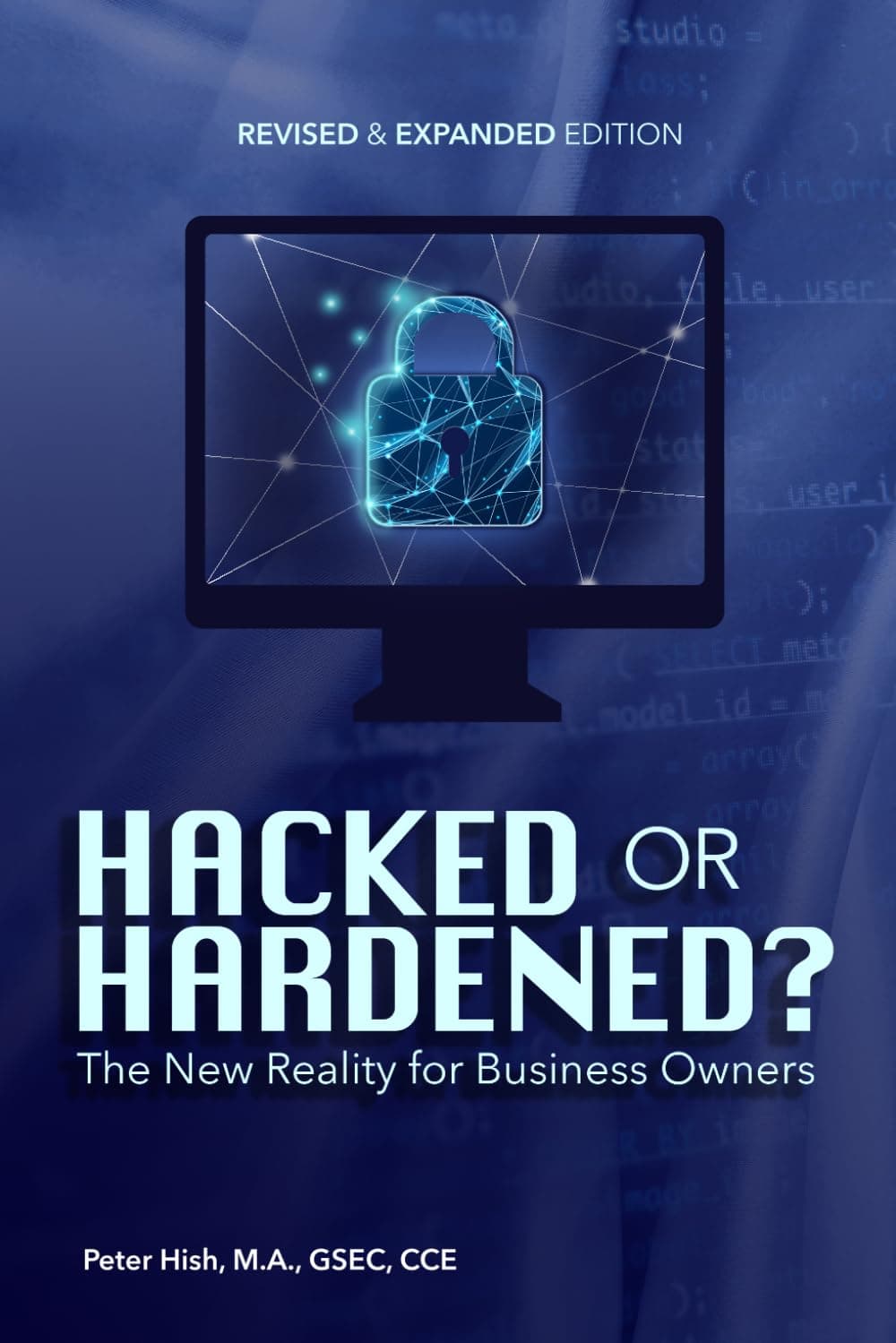
Hacked or Hardened?
A practical field guide for executives and business owners to understand, prioritize, and manage cyber risk.
Buy on Amazon