
The same scams target businesses and families. We can help with both.
Training before the scam arrives, reviews that close the gaps, and hands-on help when one gets through. For businesses, public agencies, law enforcement, and the families at home.

“No matter what your socioeconomic status is, no matter what your race or religion is, this kind of crime does not care. It will target everybody.”
Pete Hish, on the real cost of identity theft





Four kinds of people get these messages. Here is what we do for each.
For the people who approve the payments.
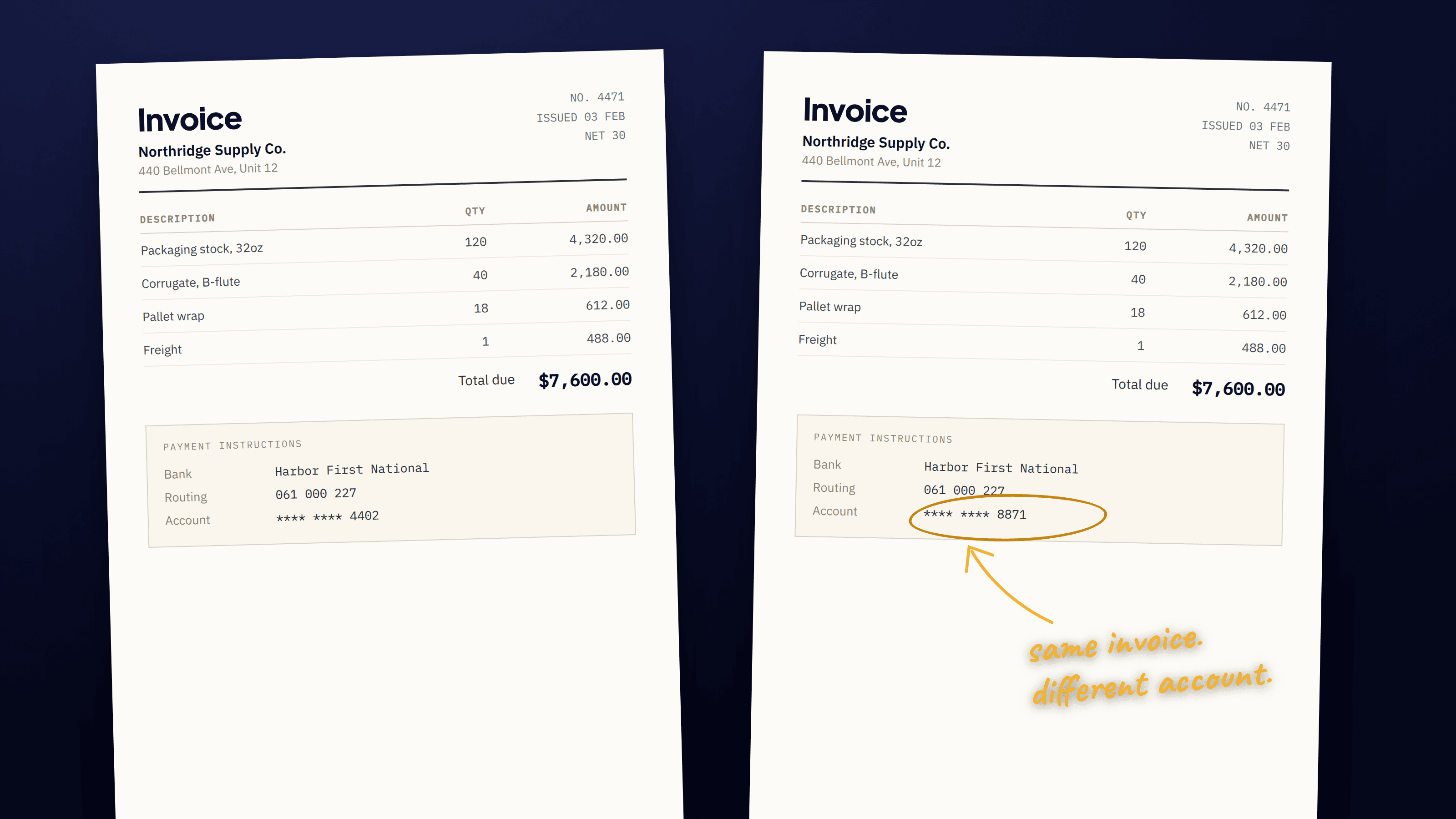
Owners, controllers, and accounts payable teams are who these emails are written for. Most of the money lost to business email compromise left through a request that looked completely routine.
For cities, counties, and special districts.
Public agencies get the same vendor emails, with public money and an audit trail on the line. Sentinel Weekly gives every employee a few minutes a week of training built on public-sector scenarios, with records your auditor and insurer can use.
See the public-sector program- Five minutes a week, year-round
- Per-employee completion records for auditors and insurers
- Public-sector scenarios, not generic small-business ones
- No gotcha phishing tests
- No three-year lock-in
For the supervisors who run the first hour.
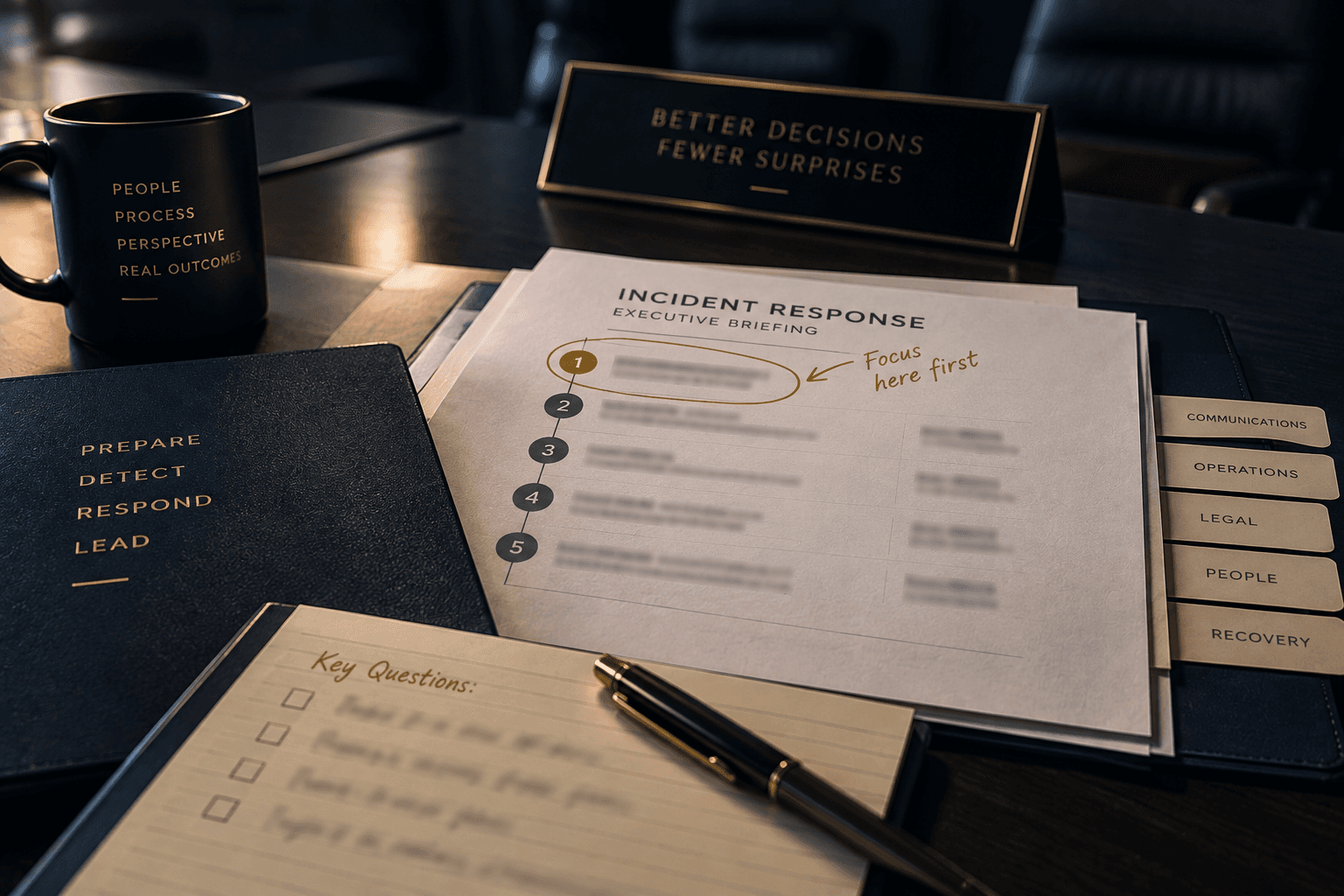
Vault Cyber Academy is in-classroom training, one or two days, taught by a working cyber fraud detective. Decision frameworks, tabletop exercises, and a pre/post assessment so you can show what changed.
For the people at home.
The same scams reach your parents, your kids, and you. Scam Sentinel is an app that checks a text, email, or call before you act on it, built by the same investigator. It is coming soon to the App Store and Google Play, and you can help test it now.
- Check a text, email, or call before acting on it
- Shaped by years of real fraud investigations
- Coming soon for iPhone, iPad, and Android
Follow one fraud from the inbox to the response.
Every part of Sentinel Vault is built around the same case: the vendor email at the top of this page, an ordinary-looking request to send a payment somewhere new. Start at the stage you are in.
- 01 · Before it arrives
- 02 · At the inbox
- 03 · On the phone at home
- 04 · When it gets through
- 05 · Leading the response

A working cyber fraud detective, not a vendor consultant.
US Army veteran. Active sergeant supervising a cyber and fraud investigations team at a large Southern California law-enforcement agency. Ten-plus years inside the cases that hit small businesses, families, and public-sector agencies first. The training is shaped by what actually goes wrong, not what vendor decks predict.
How this actually unfolds.
The mechanics of what attackers do, what targets miss, and what works. Written for owners, executives, and command staff.
AI Gave Old Scams a Better Voice, and Our Seniors Are Paying the Price
Americans 60 and older reported losing $7.7 billion to fraud last year, mostly to scams that have been around for decades. AI made them sound real, and the habits that still stop …
No Single Message Was a Crime
Researchers broke an influence campaign into harmless-looking pieces and the AI helped with every one. That is the same structure as every romance scam.
We Tested It Against 1,800 Scams. A Picture Got Through.
We tested our scam detector against about 1,800 cases before launch. The one that got through was a screenshot. What that says about AI, scams, and why your controls fail where yo…
Prefer primary sources and live tracking? See The Nexus, our news-intelligence platform ↗
Get new field notes in your inbox.
About one a week. Cybercrime, fraud, and what’s actually working. Unsubscribe anytime.
Send a one-line note about what’s on your plate.
A reply within one business day. No funnel, no sales sequence, just a straight answer about which option (if any) fits.