
Security training your team won't forget by Friday.
One short, story-driven episode every Monday. 5 to 7 minutes. For all 52 weeks. Real fraud patterns from real cases, delivered as a steady drumbeat instead of a once-a-year compliance dump. Audit-grade evidence built in.

Three touchpoints. 5–7 minutes. Every week, all year.
Designed for the way employees actually consume training: short, story-driven, on whatever device is in their hand. The cadence is the product. Not the runtime, not the slide count.
Episode drops
A 5–7 minute story-driven episode lands in everyone's inbox. Real fraud patterns from real cases. No abstract compliance theater.
5–7 minutes of your team's time
Employees watch on phone, desktop, or print to paper. One quiz question at the end captures comprehension. No gotcha simulations.
Admin sees the report
Auto-generated dashboard shows completions, scores, trends, and the trickiest moments. Audit-grade evidence for your insurer or compliance review.
Annual training is forgotten by Friday. Weekly training compounds.
The forgetting curve is real. Most security awareness content is delivered as a once-a-year compliance dump. 60+ minutes of lecture, a checkbox quiz at the end, and 90% retention loss within three weeks. Sentinel Weekly is built the other direction.
Annual compliance dump
- 60–90 minutes once a year
- Scheduled before the audit, forgotten three weeks after
- Generic content recycled from last year’s deck
- Employees see it as a tax, not a tool
Year-round drumbeat
- 5–7 minutes a week, every week, all 52 weeks
- Patterns stay live so recognition fires when it matters
- Fresh content shaped by what crossed the desk this quarter
- Story-driven, so employees actually engage
When a phishing email or a voice-clone call actually lands, your employee’s response is shaped by what they were thinking about this week, not what they sat through in January. That’s why the cadence matters more than the runtime.
Built from real fraud patterns, not recycled compliance slides.
Story-driven, not lecture
Each episode follows a character through a realistic incident. Your employees remember the story; they remember the lesson.
5–7 minutes. Not 30.
If it takes longer than seven minutes, completion rates collapse. We have data on this.
No gotcha phishing simulations
The simulation-test model optimizes for catch rate and breeds resentment. We teach the override moment instead. The gap between recognition and action.
A reason to come back
A collectible Field Guide and Defender Ranks turn 52 weeks into a streak worth keeping. Employees who want to finish actually do.
Audit-grade evidence
Completion records, comprehension scores, content refresh logs. Exactly what your insurer or auditor will ask for.
Written by a working investigator
Every episode is shaped by what actually crosses my desk. Not by a marketing team rewriting last year's incidents.
The hard part isn’t teaching it. It’s getting them to finish.
Completion is the whole game. Your audit evidence, your risk reduction, your insurance answers, all of it depends on people actually doing the training. So we built Sentinel Weekly to be something your team wants to come back to, not a box they resent ticking.
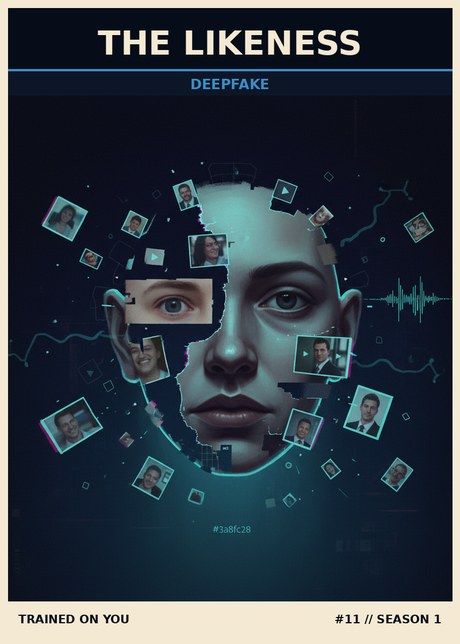



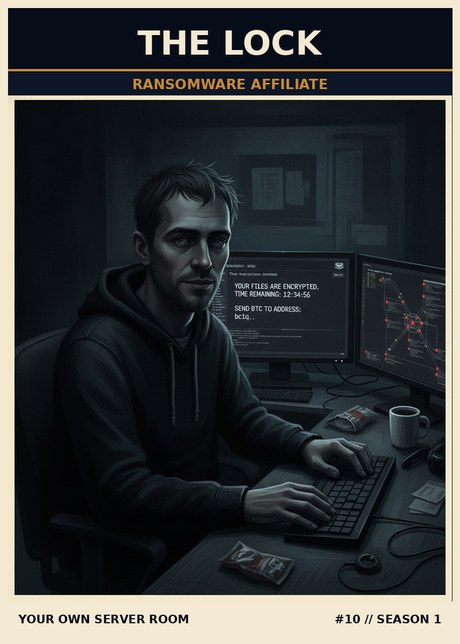

Know your enemy
A collectible deck of the predators your team will actually meet: the deepfake, the romance scammer, the ransomware crew, the wire-fraud operator. Every card names the con, shows how it works, and how to beat it. A new one is uncovered each week they train.
Momentum, not a checkbox
Employees climb from Recruit to Master Sentinel as they go, earning badges and streaks along the way. Progress they can see turns 52 weeks into a run worth keeping.
A small surprise that sticks
Finish an episode and a new card is revealed with a flourish, then settles into their collection. A little dopamine, real retention, higher completion.
Eighteen badges. A milestone worth chasing all year.
Ace a quiz, hold a streak, clear a whole category, finish the year without missing a week. Every badge is a reason to come back next week, and one more completion your admin can point to.
Engagement isn’t a gimmick. It’s the difference between a completion report you can hand an auditor and one you have to apologize for.
Mapped to the frameworks you have to satisfy.
Sentinel Weekly satisfies the security awareness training component of the major regulatory and audit frameworks. It’s not a one-stop compliance solution. Full framework compliance requires other controls and an outside assessor, but it removes one of the recurring items from your list.
HIPAA · HITECH
Satisfies the security awareness training component of HIPAA Security Rule §164.308(a)(5). Episode set covers PHI handling, business associate risk, and ransomware response.
GLBA / FTC Safeguards · PCI DSS v4.0
Maps to GLBA Safeguards Rule §314.4(e) and PCI DSS Requirement 12.6. Covers customer financial information, payment-card handling, and wire-fraud playbooks.
NIST 800-53 · NIST 800-171 / CMMC L2
Aligns with AT-2/AT-3 controls and CMMC Level 2 awareness requirements. Episode set includes incident reporting, CUI handling, and insider-threat indicators.
NIST CSF 2.0 · CIS Controls v8
Covers the awareness training components across all CSF Functions and CIS Control 14. Designed for organizations 10–500 employees without a dedicated security team.
SOC 2 / ISO 27001 · Cyber Insurance
Provides the training evidence auditors and underwriters ask for: completion records, content review, refresh cadence, and quiz comprehension data.
NYDFS 23 NYCRR 500
Covers §500.14 cybersecurity training requirements. Includes annual content refresh and senior officer reporting components.
Pick your team size.
Per-seat annual pricing. The more seats, the lower the rate. Slide to see your price. Stripe applies the right tier automatically at checkout.
All tiers
Still have questions? Contact us and we’ll help size your team.
Before you send a note.
How is this different from a typical security awareness platform?
The content is shaped by what actually goes wrong in cases I work, not by a marketing team rewriting last year's incidents. Episodes are short (5–7 min), story-driven, and don't use gotcha phishing simulations that breed resentment in employees.
What if my industry isn't on the compliance list?
The 52-week curriculum covers the awareness-training components common to nearly every modern framework. Send a note with your industry and we'll send back a one-page mapping document specific to you.
What are the Field Guide cards and Defender Ranks?
They're the engagement layer. As employees complete episodes they uncover a collectible deck of scam archetypes (the deepfake, the romance scammer, the ransomware crew) and climb a rank from Recruit to Master Sentinel. It sounds like a small thing, but completion rate is what your audit evidence is made of, and a reason to come back is what drives completion. The cards also double as a quick-reference field guide: each one names a real con and how to beat it.
Do you do phishing simulations?
We don't run gotcha simulations. They optimize for catch rate and breed resentment. We do offer optional drills designed to teach the override-moment (the gap between recognition and action). Closer to a fire drill than a test.
What's the contract length?
Month-to-month or annual. No 3-year contracts. No per-seat overages. No surprise renewal price hikes. You can cancel whenever; you keep your completion records.
How do you handle pricing for non-profits and small public agencies?
Discounted pricing for non-profits, public-sector agencies under 100 employees, and law-enforcement agencies. Send a note with your headcount and we'll send back pricing.

Active law-enforcement cyber-fraud supervisor. 10+ years investigating the patterns covered in this training.
Subscribe above, or send a note first.
If you have a procurement office that needs a PO, special pricing for a non-profit or public-sector agency, or want to see a sample episode before signing up, send a one-line note and you’ll hear back within a business day.